
Graduate Alumni Focus | Kendra Speicher-Eisenstark, M.S.’25
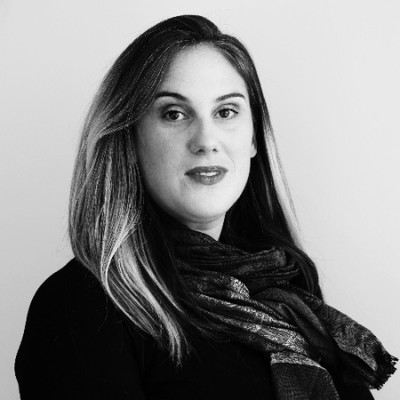
“The thanatology certificate really sealed it for me, but another piece was knowing how connected the department is to the community. The professors do a great job staying connected to alumni and making sure our internship options are varied and meaningful.”
Clinical Mental Health Counseling
Program
- Counseling, Clinical Mental Health (M.S.)
Department
- Counseling
Kendra Speicher-Eisenstark, M.S.’25, spent nearly a decade in corporate and financial due diligence before transitioning into clinical mental health counseling. Motivated by personal experiences with grief and the impact of the pandemic, they pursued a master’s in clinical mental health counseling and a certificate in thanatology at Hood College. They now hold an LGPC in Maryland and have launched a private practice focused on end of life, grief and community education.
Tell us about your background and your professional journey so far.
Before going to Hood for my master’s, I spent almost a decade in corporate and financial due diligence work. I had the chance to learn about business management, building teams, working cross culturally and developing a very healthy respect for ethics and regulations. When the pandemic hit, I decided I wanted to do something different, something that would more directly benefit the lives of the individual people around me.
The death toll during the pandemic and my own history with grief pushed me toward grief work. Hood provided the perfect opportunity with a master’s in clinical mental health counseling and a certificate in thanatology.
You are planning to open a private practice focused on end of life work. What drew you to this kind of work and why does it feel meaningful to you?
The practice is actually up and running. I began the paperwork earlier this year, so by the time I earned my LGPC, I was ready to start taking clients.
As I mentioned, the major push happened during the pandemic. I know I was not alone in having an existential crisis during quarantine. For me, it took the form of wanting to be of service to my community, especially around the difficult things. Our culture does not like death or even talking about it. That fear and avoidance make dealing with death more painful and, in my experience, more annoying. There is so much paperwork around death, and that is another piece we avoid.
Part of what I want to do is help people get access to more information and calm conversations about death, from the emotional to the practical.
As you move from graduate student to practitioner, how do you envision your approach to end of life work? What clients, conversations or services do you hope to focus on?
My big picture goal is to be of service around death and losses of all kinds, whether that involves sharing knowledge, providing a supportive space or connecting people with other experts. It is a very large goal, but it gives me flexibility in the kinds of things that will make a difference.
I have started doing a lot of community education events. I have been working with the local library and with a community justice organization called Rise Up Frederick. I have also been reaching out to lawyers, estate planners, funeral directors and other related professionals, in addition to my client work. I am looking forward to supporting individuals and families in grief, but I am also finding there is a real need around political grief. Being able to support communities managing large scale and ongoing losses is incredibly meaningful.
What made Hood the right place for you to pursue your counseling degree, especially given your interest in end of life and grief related work?
The thanatology certificate really sealed it for me, but another piece was knowing how connected the department is to the community. The professors do a great job making sure that internship options are varied and that they stay connected to alumni in the region.
When you reflect on your time at Hood, is there a favorite or meaningful moment that continues to stay with you as you step into professional life?
It is hard to pick just one moment. There were many that stand out, and even more that were small, quiet moments that added up to something incredibly meaningful. The most lasting thing for me is the friendships I made along the way. My internship class is still on a group chat. My core friends have literally become colleagues, and we still meet regularly for peer supervision.
If I had to choose one standout moment, it would be a session during my second semester of internship when I finally felt comfortable. I had spent months with this client and could truly feel the rapport we had built. I was curious and confident rather than being stuck in my head worrying about the right technique or what my facial expressions were doing. In that session, what felt right was one of those techniques you learn about and think, “How on earth would I convince a client to do something so weird?” It turns out it is not about convincing them at all. The moment was right, the rapport was there, and not only did I set it up, but the client also genuinely got something out of it. They said there was a shift, and I could see it. It was a really good moment, a counselor’s version of flow state.
What advice would you offer to Hood students interested in grief, end of life work or counseling in general?
Find your people and get on a group chat. Your people will support you on the days when clients scream at you and tell you that you suck, when clients stop coming and you worry you suck, and when you actually do screw up and suck some days.
They will be there when you have ethical dilemmas, when you need second opinions, when you need someone to remind you to get your head on straight. They will support your best self and hold you accountable at the same time. They will also be the ones who send you referrals and help you find a job.
Inspired by Kendra’s story? Ready to #GOFURTHER in your career? Learn more about Hood College's graduate programs, including clinical mental health counseling.
Are you ready to say Hello?
Choose a Pathway
Information will vary based on program level. Select a path to find the information you're looking for!