
Graduate Faculty Focus | Nikki Scott
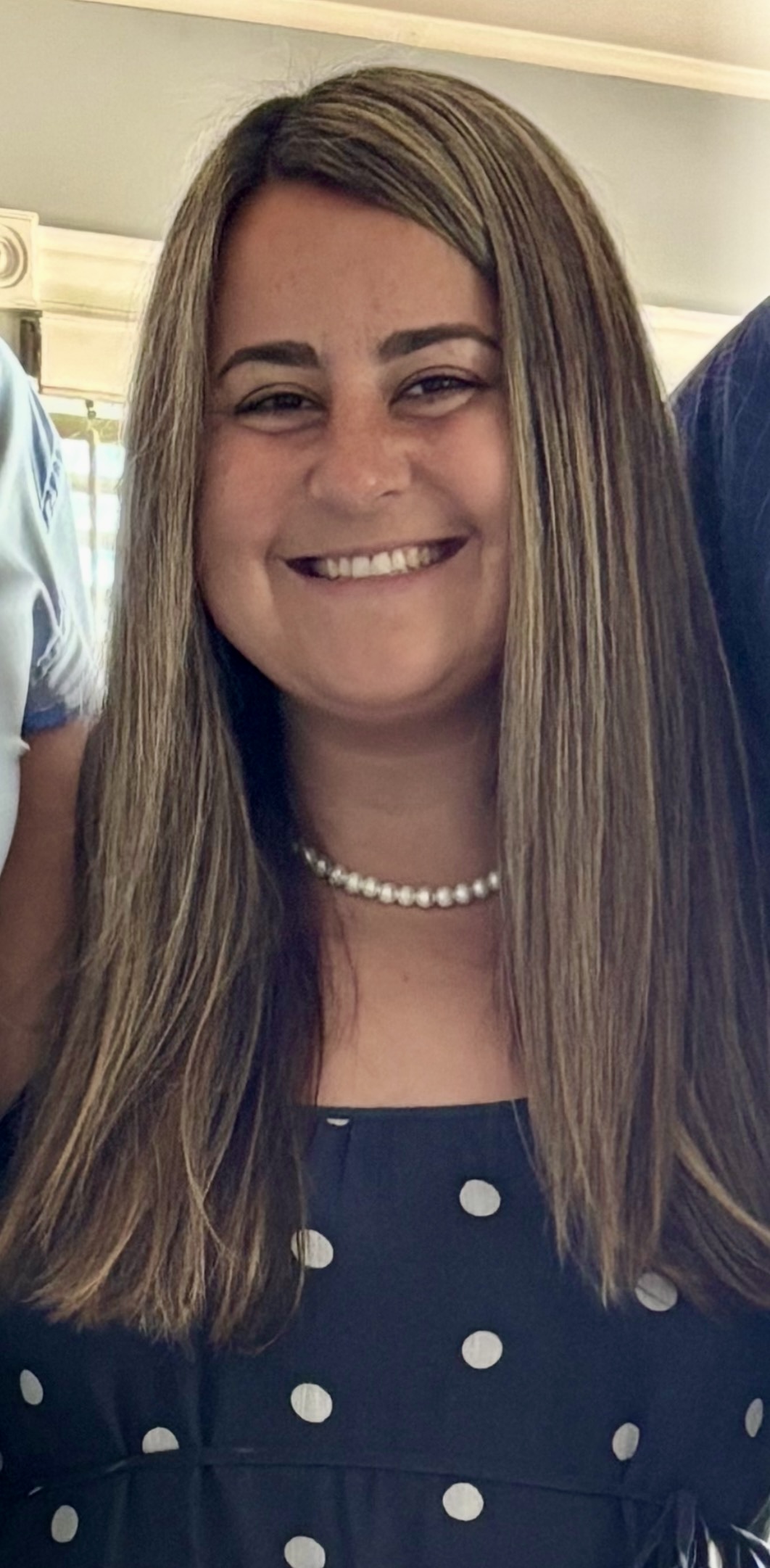
“Teaching COUN 528 at Hood has been my first exposure to counseling students, and it has been amazing to experience the perspectives they bring. Even though I teach asynchronously, I feel like I really get to know my students. That is a testament to Hood College and the certificate programs that support them.”
Nikki Scott, DSW
Program
- Counseling, Clinical Mental Health (M.S.)
- Counseling, School Counseling (M.S.)
- Thanatology (Certificate)
Department
- Counseling
Nikki Scott, DSW, is a hospice social worker turned educator with more than a decade of experience in end of life, hospice care and bereavement counseling. She holds an MSW with a certification in geriatrics from the University of Michigan and a DSW focused on educating future practitioners in grief, loss and end of life care. After eight years as a hospice social worker and two years as a grief counselor, she transitioned into academia and now teaches both social work and counseling students.
Tell us about your academic and professional journey and what led you to specialize in thanatology.
I received my bachelor’s in psychology from Wayne State University because I had always been infatuated with the brain and cognition. That passion was amplified when I watched my maternal grandfather suffer from Parkinson’s and dementia when I was a teenager. I was comfortable being around him, and ultimately his decline and death, which I had not realized at the time. Later in life, I began volunteering at a hospice agency in metro Detroit and quickly fell in love with everything hospice stands for, especially being with patients and their loved ones at the end of life.
I worked in hospice for eight years. Five of those years were spent as a home care case manager, and later I transitioned into the bereavement department as a grief counselor. It was humbling and meaningful work to be on the other side of loss and to guide others through their grief. I found Hood College in 2024 and began teaching COUN 528. More than a decade of experience in end-of-life and bereavement care has prepared me to educate future practitioners.
When teaching developmental perspectives of death and dying, do you follow a particular teaching philosophy or framework for helping students engage with this material?
I have found that following the life course is extremely helpful. We begin with childhood deaths and childhood grief, move through young and middle adulthood, and finish with older adults. Theories are woven throughout the content, so students can see how developmental milestones align with each age range as we progress through each module.
My teaching philosophy mirrors my counseling philosophy. I believe in companioning others on their journeys. We cover very sensitive material in COUN 528, including childhood deaths and suicide, and it is essential for students to pace themselves, extend compassion to themselves and move through the modules with care. I also emphasize that our classroom discussions and I, as the instructor, provide a safe space where students can express their experiences and their grief. Some topics can be triggering or activate old emotional wounds, and I want students to feel supported as they learn.
What do you hope students take away from your class, both academically and personally, as future counselors or professionals working with grief and loss?
I hope students walk away with a strong academic understanding of developmental aspects of death, dying, grief and loss across the lifespan. I want them to learn how to critique theories and understand that no model is one-size-fits-all.
Most importantly, I hope they leave with a sense of connectedness to each other, to the people they encounter daily and to future clients or patients. No one can escape death or grief. You can deny these realities, but I hope my students see the value and healing that come from talking about topics that are often uncomfortable. I want them to feel empowered and prepared to help others through grief, loss and end-of-life experiences. I want them to know they can do hard things and to lead with compassion and kindness.
What inspired you to teach at Hood College, and how has working with Hood students shaped your work in thanatology?
In early 2024, I began researching colleges that offer courses on death and dying because I knew that this was the academic path I wanted to pursue. I was surprised by how few institutions offer these kinds of classes. That is when I discovered Hood College, applied and was hired to teach COUN 528.
Teaching at Hood has been my first opportunity to work with counseling students. My background has mostly been with psychology and social work students, so it has been wonderful to learn from counseling students and hear their perspectives on the program and my course. Walking alongside these students has been a privilege. Professor Erik Messinger, our program director, has also been incredibly supportive.
Is there a meaningful moment from teaching COUN 528 that has stayed with you?
There have been many meaningful moments, but one pattern stands out. Because I teach asynchronously, we use discussion boards to connect with each other. Students are busy with work, other classes and life, so it could easily be something they rush through.
Yet, I am often moved by how thoughtfully students respond to one another, especially when the prompt asks them to reflect on their own grief. The compassion and empathy they show each other is powerful. It almost brings me to tears at times. I hope they carry that sense of shared humanity into their professional practice.
Is there anything else you would like to share with students entering this field?
One of the biggest pieces of advice I have for students is to practice humility. It is okay to make mistakes, and in fact, it is important, as long as you learn and grow from them. I have taught many perfectionistic students, and while that drive is not negative, it is important to offer yourself kindness and recognize that you are doing the best you can. When you learn more, you do better. Learning and healing are lifelong processes. I still learn something new every day.
Inspired by Professor Scott’s story? Ready to #GOFURTHER in your career? Learn more about Hood College's graduate programs, including clinical mental health counseling.
Are you ready to say Hello?
Choose a Pathway
Information will vary based on program level. Select a path to find the information you're looking for!